Markets · World Listens
Home Energy Natural Gas By Irina Slav - Oct 05, 2026, 6:00 PM CDT The EU is considering delaying its methane import rules by a year, amid concerns that the January rollout could threaten oil and gas supplies and push prices higher. Major suppliers, including the U.S. and Qatar, have criticized the rules, arguing that emissions tracking and verification requirements are currently impractical or unclear. Europe risks losing LNG and crude cargoes to other markets if exporters cannot or will not comply, potentially worsening an already tight energy market.
The European Union’s so-called methane rule is scheduled to enter into effect in January. The rule is massively unpopular among large energy exporters, and these exporters have a lot more options in terms of buyers than the EU has in terms of suppliers. It would have to either axe the rule or face a further squeeze in oil and gas.
Some in Brussels are aware of that, with Energy Commissioner Dan Jorgensen last week telling media that a delay was being considered for the implementation of the methane regulation in order to ensure sufficient supply of energy commodities. “I have instructed my services to look into the possibilities of postponing the import part of the legislation with one year,” Jorgensen told Bloomberg. “And this would give the market actors time to make sure that they can indeed implement these new rules without it hurting our security of supply and prices.” Two of the largest oil and gas suppliers to the European Union have argued repeatedly that the methane regulation would hurt both the security of supply and prices.
The United States and Qatar have on several occasions explained that asking oil and gas producers to track and report methane emissions along the supply chain of every hydrocarbon molecule that eventually gets sold to an EU buyer was impossible to do. Qatar said directly it would stop selling LNG to members of the European Union. U.S.
Energy Secretary Chris Wright suggested the regulation would hurt bilateral trade. As fate and geopolitics would have it, Qatar has indeed stopped selling liquefied gas to the European Union for reasons unrelated to the methane rule, so the United States is selling more LNG to European buyers than ever. Yet the methane regulation could change that, and it can change it smack in the middle of winter, in what is the coldest month of the year for many European countries.
Essentially, the methane rule requires energy exporters to the European Union to track, measure, and report its methane emissions—and verify this information. EU energy companies have been subject to the same regulation since 2024, Wood Mackenzie noted in a recent article . Now, the EU wants to expand that to foreign suppliers—but it lacks the mechanism to do it effectively.
Commenting on the upcoming date for the methane rule’s entry into effect, Wood Mac carbon expert Valentina Kretzschmar noted that “most oil and gas exporting countries outside Europe are simply not ready to meet the EU equivalence within the timeframe,” due to the lack of details, especially regarding verification of the emissions data that is supposed to be reported to the EU authorities. “Verification is a critical part of the jigsaw, but it’s currently missing,” the WoodMac article stated. In other words, the EU is asking oil and gas sellers to its member states to verify their methane emissions data but does not say how this verification should be done.
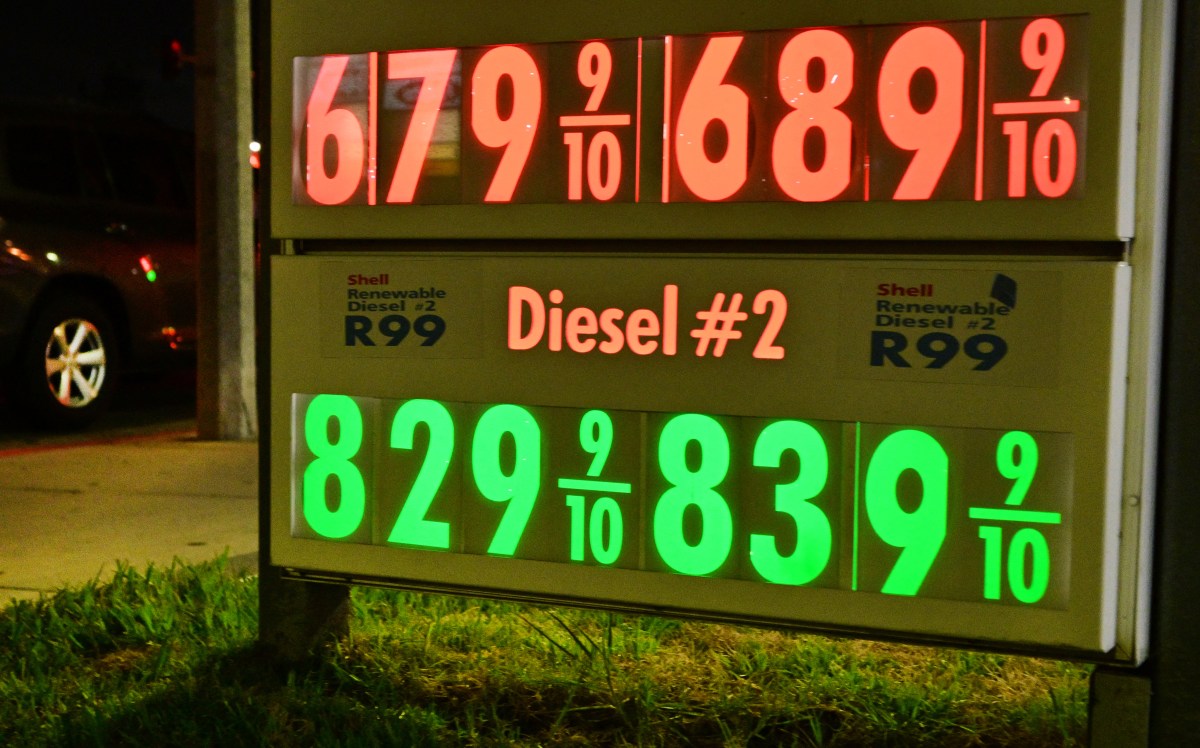
Further, “No agency is yet accredited to verify methane measurement and reporting of production outside the EU. Importers have stated they are unwilling to accept non-compliance due to potential legal, commercial and reputational risks.” The situation appears to be complicated and fraught with uncertainties, and all this is taking place at a time when complications and uncertainties are the last things anyone in power in the European Union needs. With fuel prices running at record highs and gas prices above 70 euro per MWh, further price-raising factors are really not what the EU should be doing.
Suggestions from Brussels for handling the methane reporting situation so far have included the proposal to delay the imposition of penalties on those who violate the regulation. However, this does not mean they do not have to report their emissions, and energy exporters do not want to have to do this. In a worst-case scenario, European energy buyers could see a shortfall as cargoes of crude and LNG from the United States divert to Asia come January because the producers of the crude and the LNG have not counted their emissions.
In a best-case scenario, the whole methane rule would be scrapped or at least delayed in its entirety until such time as the EU leadership finds a way to verify the emissions data in a way that satisfies both its climate agenda and the agendas of the oil and gas producers that would be getting verified. There is, however, a small detail when it comes to producers. In the current market environment, producers can choose who to sell their oil and gas to, while buyers have less choice.
This means that if, say, Venture Global decides to sell its LNG to India instead of Germany, there is nothing Germany can do about it. It might be worth considering this fact when making plans for the methane regulation in the context of energy security. By Irina Slav for Oilprice.com More Top Reads From Oilprice.com South Korea Plans to Triple Canadian Crude Imports as Saudi Share Slips Houthis Claim Strike on Aramco Facility in Riyadh as Yemen Fighting Escalates Rubio Opens 4-Day NATO Tour in Iceland to Discuss Arctic Security Download The Free Oilprice App Today Back to homepage Irina Slav What I Cover Irina Slav has been writing about global energy markets since 2007, covering the oil and gas industry, energy security, commodities, and the...
More Info Leave a comment EXXON Mobil -0.35 Open 57.81 Trading Vol. 6.96M Previous Vol. 241.7B BUY 57.15 Sell 57.00